
Bird Nesting in Gutters: California Law & Gutter Cleaning Timing for Rocklin Homeowners
Removing an active bird nest from your gutters in Rocklin can cost you up to $5,000 per violation under California Fish & Game Code Section 3503 (FGC §3503). That's not a theoretical risk — CDFW wardens actively investigate complaints, and the law protects the nests of nearly every bird species in the state.
But here's what most homeowners don't realize: the law draws a sharp line between active and inactive nests. And two of the most common gutter-nesting birds in Rocklin — house sparrows and European starlings — aren't protected at all. Knowing which species is in your gutter, and when nesting season starts and ends, determines whether you can clean your gutters today or need to wait months.
This guide covers the specific California and federal laws that apply, which birds nest in Rocklin gutters, the legal cleaning windows, and how to prevent the problem entirely. If you're already dealing with pest problems in your gutters, nesting birds are likely part of the picture.
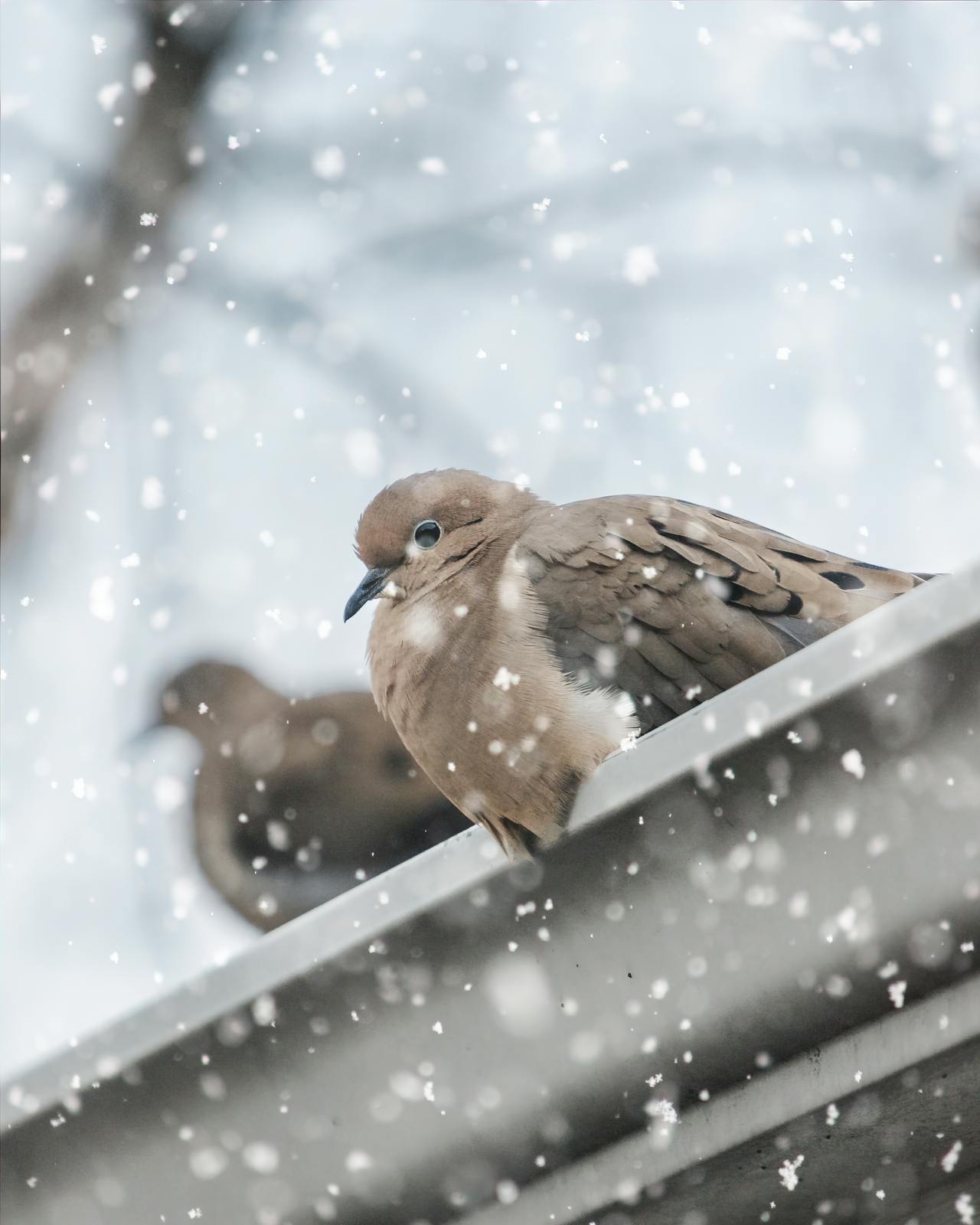
Photo by Dids on Pexels
TL;DR
California Fish & Game Code 3503 makes it illegal to destroy active bird nests — misdemeanor charges carry up to $5,000 in fines. Nesting season runs February through August. House sparrows and European starlings (the two most common gutter nesters in Rocklin) are invasive species not protected by state or federal law. Native species like house finches and robins are fully protected. The safest strategy: clean gutters before mid-February or after September 1, and install micro-mesh gutter guards to prevent nesting entirely.
California Bird Nest Protection Laws That Affect Gutter Cleaning
Two overlapping laws govern bird nest removal in California. Both apply to your gutters, and violating either one is a criminal offense.
California Fish & Game Code Section 3503
The state law is broad and direct: “It is unlawful to take, possess, or needlessly destroy the nest or eggs of any bird, except as otherwise provided by this code” (FGC §3503). Section 3503.5 adds even stricter protections for raptors — hawks, owls, eagles, and falcons — prohibiting destruction of their nests at any time, active or not.
The penalty for violating Section 3503 is a misdemeanor: up to six months in county jail and fines up to $5,000 per violation. The California Department of Fish and Wildlife (CDFW) wardens have full authority to investigate and cite homeowners.
Federal Migratory Bird Treaty Act (MBTA)
The federal Migratory Bird Treaty Act of 1918 protects over 1,100 native bird species. Destroying an active nest of a protected species violates federal law with penalties up to $15,000 and six months imprisonment per violation. The U.S. Fish & Wildlife Service enforces this alongside state agencies.
California also enacted its own California Migratory Bird Protection Act (AB 454, currently being restored for 2026) to ensure state-level enforcement aligns with federal protections regardless of shifting federal interpretations.
Key Legal Finding
California Fish & Game Code §3503 prohibits needless destruction of any bird nest or eggs. Violations are misdemeanors carrying up to six months in jail and $5,000 in fines. Federal MBTA penalties add up to $15,000 per violation for protected migratory species (FindLaw FGC §3503).
Penalty Comparison: State vs. Federal Bird Nest Violations
Which Birds Nest in Rocklin Gutters — and Which Are Protected
Not every bird in your gutter carries the same legal weight. Rocklin sits in the Sacramento Valley where both invasive and native species compete for nesting sites. The distinction matters because it determines whether you can remove a nest immediately or must wait weeks.
| Species | Frequency in Gutters | Protected? | Legal to Remove Active Nest? |
|---|---|---|---|
| House Sparrow | Very Common | No — invasive species | Yes |
| European Starling | Common | No — invasive species | Yes |
| Pigeon (Rock Dove) | Common | No — feral/non-native | Yes |
| House Finch | Occasional | Yes — MBTA + FGC 3503 | No |
| American Robin | Occasional | Yes — MBTA + FGC 3503 | No |
| Barn Swallow | Rare (eaves nearby) | Yes — MBTA + FGC 3503 | No |
The critical point: house sparrows and European starlings are the two species most likely to nest in your Rocklin gutters, and neither is protected by the Migratory Bird Treaty Act or California Fish & Game Code. The Federal Register explicitly lists both as non-native species excluded from MBTA protections.
However — and this is where homeowners get into trouble — you must accurately identify the species before removing a nest. House sparrows look similar to several protected native sparrow species (chipping sparrow, song sparrow, white-crowned sparrow). If you remove a native sparrow nest mistaking it for a house sparrow, you're liable for the full penalty.
Pro Tip
Not sure what species is nesting in your gutters? Take a photo and upload it to the free Merlin Bird ID app from the Cornell Lab of Ornithology. It identifies species from photos in seconds. When in doubt, assume the bird is protected and wait.
Gutter-Nesting Bird Species in Rocklin (Relative Frequency)
Bird Nesting Season Timeline: When You Can and Cannot Clean Gutters
Bird nesting season in California runs roughly from February 1 through August 31, though some species start earlier and others extend into September. For Rocklin homeowners, the practical gutter cleaning calendar looks like this:
Gutter Cleaning & Nesting Season Timeline for Rocklin
Safe Gutter Cleaning Windows
- January through mid-February: Most species haven't started nesting yet. Great horned owls and Anna's hummingbirds are exceptions (they nest as early as December/January), but neither species typically nests in gutters. This is a good window for a quick post-winter debris clean, though Rocklin's rainiest months mean you may need to wait for a dry stretch.
- September through November: The primary cleaning window. Nearly all bird nesting activity has concluded by September 1. This timing also aligns with the fall gutter preparation checklist — clearing summer debris before winter rains arrive. This is the single most important gutter cleaning of the year for Rocklin homes.
- December: Post-leaf-drop cleanup, especially for homes surrounded by oak trees. No nesting activity to worry about.
Cleaning During Nesting Season (February–August)
You can clean gutters during nesting season, but you must inspect each section before disturbing it. Here's the process:
- Walk the perimeter and visually inspect from the ground using binoculars.
- Watch for 10–15 minutes. Look for birds carrying nesting material or food to a specific gutter section.
- When you get on the ladder, check each section before touching anything.
- If you find an active nest with eggs or chicks, leave that section alone and clean around it.
- Mark the active nest location so you can check back in 2–4 weeks.
- Once all young have fledged (left the nest), remove the nest material and clean normally.
For a full walkthrough of safe cleaning practices, see our Rocklin gutter cleaning guide. The best time for gutter maintenance in Rocklin article covers optimal scheduling that accounts for both weather and wildlife.
From the Field
We had a homeowner in Whitney Ranch call us in May because their gutters were overflowing during a late-spring rain. When we got on the ladder, we found a house finch nest with four speckled eggs blocking the downspout opening. House finches are a protected native species. We cleaned around the nest, improved drainage in the adjacent sections, and came back three weeks later to finish the job after the chicks fledged. Total delay: 22 days. The alternative — disturbing that nest — could have meant a $5,000 citation.
Active vs. Inactive Nests: How to Tell the Difference
The law protects active nests. An inactive nest — one that has been abandoned or where all young have successfully fledged — can be removed without legal consequence for most species. Telling the difference isn't always obvious from the ground.
- Adult birds repeatedly visiting the same gutter section
- Birds carrying food (insects, seeds) to the gutter
- Visible eggs when you peek into the gutter
- Cheeping sounds from chicks
- Adult birds dive-bombing or alarm-calling when you approach
- Fresh nesting material (green leaves, soft feathers)
- No bird activity around the nest for 48+ hours
- Nest material is dried out, weathered, or deteriorating
- No eggs or chicks visible inside
- Fecal matter on nest edges (sign chicks grew and left)
- Nest partially collapsed or damaged by weather
- Season is outside the February–August nesting window
If you're uncertain, the safe play is to wait 48 hours and observe. If no adult birds visit the nest during that period, it's almost certainly inactive. Even during nesting season, adult birds that are actively incubating will return to the nest within a few hours.
Key Finding
The U.S. Fish & Wildlife Service confirms that inactive nests (no eggs, chicks, or dependent young) may be removed without a permit for most species. The exception is raptor nests (hawks, eagles, owls), which are protected year-round under FGC §3503.5 regardless of activity status (USFWS Bird Nests).
What to Do If You Find a Bird Nest in Your Gutter
Finding a nest during gutter cleaning doesn't mean your maintenance is on hold indefinitely. Here's the step-by-step process that keeps you legal and your gutters functional:
- Identify the species. Take a clear photo from a safe distance. Use the Merlin Bird ID app or compare against the Sacramento Audubon Society checklist. If it's a house sparrow, European starling, or pigeon, you can proceed with removal.
- If the species is protected and the nest is active: Stop. Do not touch the nest. Clean every other section of your gutters and leave a 3–4 foot buffer around the nest. Mark the location.
- Manage drainage around the nest. If the nest is blocking a downspout, clear debris upstream and downstream to keep water flowing around it as much as possible. A temporary splash guard can redirect overflow away from the foundation.
- Wait for fledging. Most songbird species fledge within 14–21 days of hatching. Robins take about 14 days; house finches about 16 days. Monitor weekly until you confirm the young have left.
- Remove the inactive nest and clean. Once empty, remove all nesting material, clean the gutter section thoroughly, and check for any damage the nest may have caused to the gutter or fascia.
- Install prevention. After removal, this is the time to install gutter guards to prevent re-nesting next season. Birds return to successful nesting sites year after year.
How Long Until Chicks Fledge? (Typical Wait Times by Species)
In practical terms, you're looking at 3–5 weeks from the time you discover an active nest of a protected species until you can legally remove it. For unprotected species (house sparrows, starlings, pigeons), you can remove the nest immediately regardless of status.
Found a nest and not sure what to do?
We'll identify the species, clean around active nests safely, and install guards to prevent future nesting.
How to Prevent Birds from Nesting in Your Gutters
The best solution to the nesting-season dilemma isn't working around nests — it's preventing them from forming in the first place. Removing a nest after the fact is reactive and legally risky. These prevention methods are all legal, humane, and effective.
Install Micro-Mesh Gutter Guards
This is the single most effective prevention method. Micro-mesh guards cover the open gutter channel entirely, eliminating the cavity that birds need for nesting. No opening means no nest — period. This also solves debris accumulation, standing water, and other pest problems simultaneously. Our guide on gutter guard installation costs in Rocklin covers pricing for different guard types.
Clean Gutters Before Nesting Season Starts
Birds choose gutter nesting sites partly because accumulated debris provides ready-made nesting material. A clean gutter is far less attractive. Schedule your spring gutter maintenance for early-to-mid February — before most species begin nesting — to remove the debris that attracts them. Follow the recommended cleaning schedule to stay ahead of accumulation.
Trim Overhanging Branches
Birds prefer nesting sites near tree cover. Branches overhanging your gutters provide perching spots and make your gutter channel easy to access. Keep branches trimmed at least 6 feet from the roofline. This also reduces leaf and pine needle debris that both clogs gutters and provides nesting material.
Seal Gaps Between Gutters and Fascia
Small gaps where gutters meet fascia boards create sheltered entry points that birds exploit. Seal these with metal flashing or weather-resistant caulk. This also prevents rodents from using the same gaps to enter your attic — a common companion problem to bird nesting.
Add Bird Deterrents to Problem Areas
For gutters that have historically attracted nesting birds, consider adding bird spikes along the front lip or reflective deterrent tape nearby. These are humane deterrents that make the gutter surface unsuitable for perching and nest building without harming birds.
Pro Tip
Timing matters more than most homeowners realize. Install gutter guards in January or early February — before birds start scouting nesting sites. Once a bird has selected your gutter as a nesting location and construction begins, you may already be dealing with a protected active nest. The question of whether gutter guards are worth it becomes much easier to answer when you factor in the legal risk and maintenance disruption of dealing with nesting birds every spring.
Damage That Bird Nesting Causes to Gutters and Homes
Bird nests in gutters aren't just a legal inconvenience. They cause real structural and health damage that compounds the longer a nest remains in place.
- Complete drainage blockage. A single bird nest can completely block a gutter section or downspout opening, causing water to overflow onto fascia boards, siding, and foundations during rain. See our guide on gutter overflow solutions for the structural consequences.
- Fascia and soffit rot. Standing water behind a nest soaks into wood fascia. In Rocklin's warm climate, this accelerates rot and creates entry points for rodents and insects.
- Bird mites and parasites. Bird nests harbor mites, lice, and ticks. When chicks fledge and the nest is abandoned, these parasites migrate into the home through soffit vents and gaps — looking for new hosts.
- Acidic droppings. Bird droppings are acidic enough to corrode aluminum gutters over time. Heavy accumulation also stains roofing material and fascia paint.
- Fire hazard. Dry nesting material in gutters during Rocklin's hot, dry summers creates fire fuel along your roofline. This is a particular concern in areas near the WUI zone. Our wildfire gutter hardening guide covers fire-resistant gutter practices.
- Repeat nesting. Birds return to successful nesting sites. A nest in your gutter this year means the same species will attempt to nest in the same location next spring. Without intervention, this becomes an annual problem.
From the Field
A homeowner in the Sunset West neighborhood called us after noticing water damage on their dining room ceiling. The cause: a starling nest that had completely blocked the downspout at a roof valley junction. Water backed up behind the nest for weeks during spring rains, saturated the fascia, and eventually seeped through the wall. The ceiling repair cost over $3,200. A routine cleaning would have caught the nest for a fraction of that, and a guard over that valley run would have kept the birds out in the first place.
Can You Get a Permit to Remove a Bird Nest from Your Gutter?
Technically, yes. The California Department of Fish and Wildlife (CDFW) can issue depredation permits for nest removal. Practically, getting one for routine gutter maintenance is difficult.
CDFW issues permits primarily when:
- A nest creates a documented health hazard (disease risk, large accumulation of droppings in a high-traffic area)
- A nest poses a genuine safety threat (blocking fire egress, structural instability)
- The species is causing significant property damage that cannot be mitigated by other means
A bird nest blocking your gutter — while inconvenient — typically doesn't meet the threshold. The practical solution for most Rocklin homeowners is to wait for fledging, then remove the nest and install prevention measures. For questions about gutter-related California building codes and permits, that guide covers the construction side of the equation.
Contact CDFW's North Central Region office in Rancho Cordova at (916) 358-2900 if you believe your situation qualifies for a permit. Documentation (photos, description of damage) strengthens your case.
Frequently Asked Questions
Stop Bird Nesting Problems Before They Start
Rocklin Gutter Guard installs micro-mesh gutter protection that blocks birds from nesting in your gutters — no more legal headaches, no more waiting for fledging season, no more water damage from blocked downspouts. Free estimates for Placer County homeowners.
Bird nesting in gutters sits at an unexpected intersection of wildlife law and home maintenance. For Rocklin homeowners, the key takeaway is straightforward: know which species you're dealing with, respect the law on protected species, and time your cleaning to avoid conflict with nesting season.
The long-term fix is prevention, not reaction. Micro-mesh gutter guards eliminate the nesting opportunity entirely, keep your gutters flowing year-round, and remove the legal uncertainty that comes with discovering an active nest the day you planned to clean. For homeowners who have been through the frustration of postponing gutter maintenance because of a nest they can't legally touch, guards are the investment that ends the cycle permanently.
Related Articles
How clogged gutters attract mosquitoes, rodents, and other pests in Rocklin.
Seasonal scheduling to avoid weather and wildlife conflicts.
8-point checklist for March through May gutter care in Rocklin.
Cost-benefit analysis including pest and bird nesting prevention.
Code requirements, WUI zone mandates, and permit processes.
What micro-mesh and other gutter guard systems cost locally.