
Gutter Apron vs Drip Edge: What Sacramento Homeowners Need to Know
Water dripping behind your gutter instead of into it? A small piece of metal flashing—costing just $2–$5 per linear foot—is probably the fix. But the terminology gets confusing fast. “Drip edge” and “gutter apron” sound interchangeable, yet they're two distinct products with different shapes, different installation methods, and different code requirements. According to the International Residential Code (IRC R905.2.8.5), drip edge has been mandatory on asphalt shingle roofs since 2012. Gutter aprons? Not required by code—but often just as important.
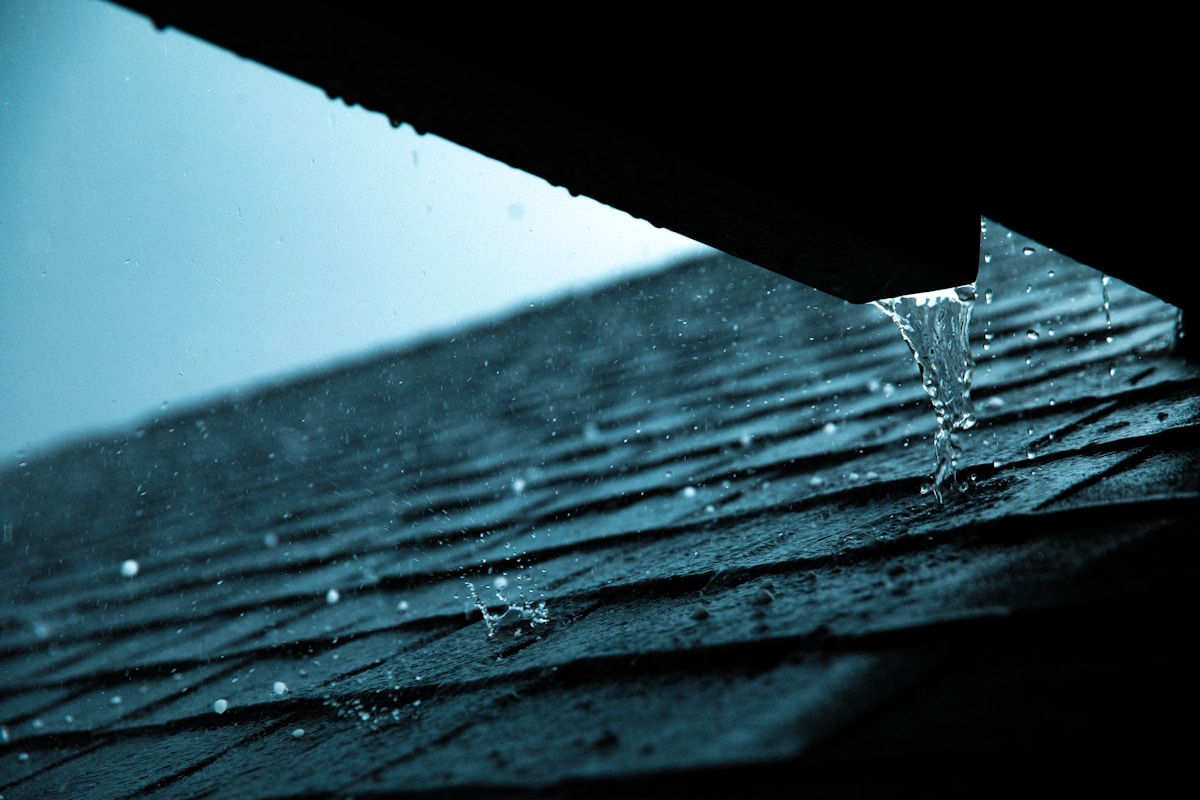
Photo by Luke Southern on Unsplash
TL;DR
A drip edge ($1.50–$9/ft) directs water off the roof deck into the gutter and has been code-required since 2012 (IRC R905.2.8.5). A gutter apron ($2–$5/ft) bridges the gap between the drip edge and gutter. Most Sacramento homes need both—skipping either risks fascia rot averaging $7–$22/ft to repair.
What Is a Drip Edge?
A drip edge is a T-shaped metal flashing installed at the roof's edge to direct water away from the fascia and into the gutter. The IRC (Section R905.2.8.5) has required drip edge on all asphalt shingle roofs since 2012, making it one of the few flashings that's actually code-mandated.
The flashing extends about 1/2” to 3/4” past the roof edge, creating a small overhang. Water hits the shingles, flows down to the drip edge, and drops cleanly into the gutter trough. Without it, water clings to the underside of the roof deck through capillary action and runs straight down the fascia board.
Here's what makes drip edge unique: it works with or without gutters. Even on a home without any gutter system, drip edge still pushes water away from the fascia. That's why code requires it at both eaves (horizontal roof edges) and rakes (angled roof edges along gables).
We got a call last spring from a homeowner in Sacramento's Pocket neighborhood. She'd hired a contractor for fascia board repair after noticing soft, crumbling wood behind her gutters. The fascia replacement cost her $1,800. When we inspected the roof edge, there was no drip edge at all—the original 1998 roof had been installed before the 2012 code requirement. A $350 drip edge retrofit would have prevented the entire problem.
Drip edge comes in three standard profiles. Type C (also called “L-style”) is the most common for residential roofs. Type D has a more pronounced T-shape with a deeper kick-out. Material options include galvanized steel, aluminum, and copper—with aluminum being the go-to choice for most Sacramento homes because it won't rust in our dry-summer, wet-winter climate.
What Is a Gutter Apron?
A gutter apron is an L-shaped piece of metal flashing that bridges the gap between the bottom edge of your shingles and the gutter lip. Unlike drip edge, gutter aprons aren't required by the IRC—but roughly 14,000 Americans deal with a home water damage emergency every day, according to iPropertyManagement (citing EPA and FEMA data), and improper gutter flashing contributes to many of those cases.
The apron slides under the bottom row of shingles on one end and bends over the gutter lip on the other. This creates a continuous path for water from roof to gutter, eliminating the gap where water likes to drip behind the gutter trough.
Gutter aprons only install at eaves—never at rakes. They're specifically designed to work alongside an existing gutter system. No gutter? A gutter apron won't help you. But if you've got gutters and you see water running down your fascia during storms, a gutter apron is likely the missing piece.
Why does water drip behind the gutter in the first place? Capillary action. When water reaches the roof edge and there's a small gap between the shingle and the gutter, surface tension pulls the water along the underside of the shingle and down the fascia. Sustained heavy rain—the kind Sacramento gets during atmospheric rivers—makes capillary flow even worse.
What's the Difference Between a Drip Edge and Gutter Apron?
Drip edge and gutter apron serve related but different functions. According to the National Roofing Contractors Association (NRCA), proper roof-edge flashing is among the top three factors preventing premature fascia deterioration. Here's a side-by-side breakdown of what sets these two flashings apart.
| Feature | Drip Edge | Gutter Apron |
|---|---|---|
| Shape | T-shaped (angled kick-out) | L-shaped (flat bend) |
| Location | Eaves + rakes | Eaves only |
| Overhang | 1/2” – 3/4” past roof edge | Minimal to none |
| Works without gutters | Yes | No |
| IRC code required | Yes (since 2012) | No |
| Retrofit difficulty | Moderate—easier access | Harder—must slide under shingles |
| Cost per linear foot | $1.50 – $9.00 | $2 – $5 |
The simplest way to remember it: drip edge handles the roof-to-air transition. Gutter apron handles the roof-to-gutter transition. They do different jobs, and on many homes, you need both working together. Think of drip edge as the first line of defense and the gutter apron as the bridge that completes the connection.
When Does Your Sacramento Home Need Each?
Sacramento averages 18.14 inches of annual rainfall, with most of it concentrated between November and March, according to NOAA's Sacramento Weather Forecast Office. That seasonal concentration means your roof-edge flashing gets hammered for five straight months—then sits idle the rest of the year.
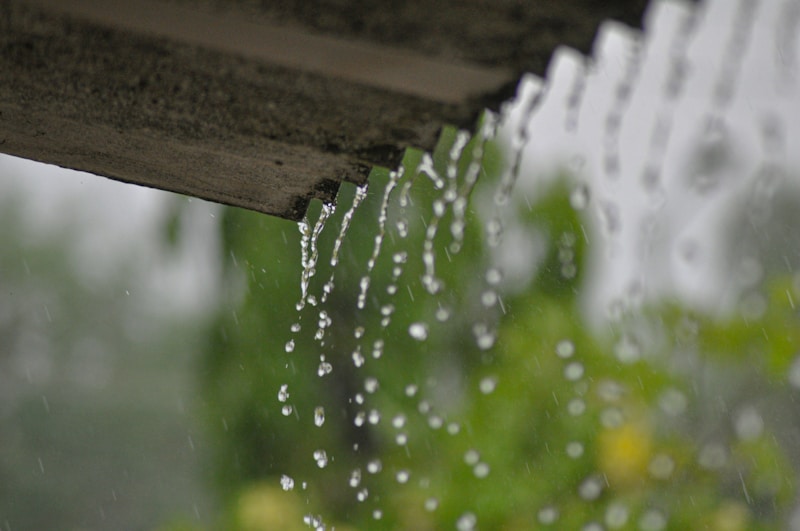
Photo by Kenneth Adams on Unsplash
Remember the November 2024 atmospheric river? Some Sacramento-area weather stations recorded a full month's rainfall in 24 hours. During sustained downpours like that, capillary action intensifies. Water doesn't just drip behind the gutter—it streams.
So when do you need which flashing? Here's the breakdown:
You need drip edge if...
- • Your roof was installed before 2012 (pre-code requirement)
- • You're getting a new roof (it's automatically included)
- • You see water stains on fascia even without gutters
- • Your shingle edges are curling or deteriorating at the roof line
You need a gutter apron if...
- • Water drips behind the gutter during rain
- • Visible gap between shingle edge and gutter back
- • Gutters were installed after the roof (common gap issue)
- • You already have drip edge but water still bypasses the gutter
Most Sacramento homes need both. New roofs get drip edge automatically, but gutter aprons are frequently missed during gutter-only installations. We've found that homes where gutters were replaced independently of the roof are the most likely to have a gap—the new gutter doesn't sit as close to the roof edge as the old one, and nobody adds a gutter apron to bridge the difference.
Stucco homes are especially vulnerable. Water that gets behind the gutter can wick into the stucco's paper backing and get trapped. If your home has stucco siding, check out our guide on stucco home gutter installation for additional considerations.
How Much Does Each Cost? Prevention vs Repair
Water damage and freezing account for 27.6% of all homeowners insurance claims, making it the most common claim type, according to the Insurance Information Institute (III, 2022). A few dollars per foot of flashing now can prevent thousands in damage later.
Sources: Angi (2026), Insurance Information Institute (2022)
Let's put those numbers in perspective. A typical Sacramento ranch home has about 150 linear feet of eave. Installing both drip edge and gutter apron during a reroofing project would add $525–$1,200 to the job. Compare that to the $3,860 average water damage restoration bill, or the $7–$22 per foot for fascia board repair—and the math becomes obvious.
The III also reports that 1 in 60 insured homes files a water damage claim each year. Flashing isn't the only cause, of course. But it's one of the cheapest fixes on the list. Interested in the full financial picture? Read our breakdown of water damage from faulty gutters.
One thing homeowners overlook: insurance doesn't always cover gradual water damage. Most policies cover “sudden and accidental” events. A slow leak behind your gutter that rots the fascia over two years? Your insurer may deny that claim. Our guide on homeowners insurance claims covers what California policies typically include and exclude.
How Can You Tell If Your Home Is Missing Proper Flashing?
About 37% of all home water damage originates from roofing system failures including flashing gaps, according to iPropertyManagement. The good news: you can spot most gutter flashing problems from the ground with nothing more than a flashlight and a garden hose.
Photo by Yanping Ma on Unsplash
Here are five visual signs that your home's flashing needs attention:
1. Water stains on the fascia below the gutter
Dark streaks or discoloration running vertically down the fascia board are the clearest indicator. If the stains appear directly behind the gutter line rather than at a joint or seam, water is bypassing the gutter entirely.
2. Peeling paint behind the gutter line
Paint peeling or bubbling on the fascia behind the gutter means moisture is getting trapped. This is especially common on homes where gutters were installed after painting—the paint can't hold up under repeated wetting.
3. Visible gap between shingle edge and gutter
Stand at ground level and look up at the gutter. Can you see daylight between the shingle edge and the back of the gutter? That gap is where water escapes. A gutter apron would close it.
4. Soft or spongy fascia (the screwdriver test)
Gently press a screwdriver into the fascia board at several points. If it sinks in easily, the wood has absorbed moisture and begun to rot. This test can reveal damage you can't see from the surface. Learn more in our fascia and soffit repair guide.
5. Erosion trench at the foundation below the gutter
If water has been dripping behind the gutter and running down the wall, you may notice soil erosion or a small trench forming at the foundation directly below. This can also indicate you need to check your signs your gutters need repair.
A property manager in Roseville we work with manages 50 rental units—a mix of single-family homes built in the late 1990s. After one rough winter season, she inspected all 50 properties and found that 34 had zero gutter apron installed. Every single unit with missing aprons showed some degree of fascia staining. Twelve had active wood rot. Her total repair bill across those properties? Over $28,000. She's since had gutter aprons installed on every unit for about $6,200—less than a quarter of what she paid in damage repairs.
Should You DIY or Hire a Pro?
Falls from ladders and roofs cause over 500,000 injuries annually in the U.S., according to the CDC's National Institute for Occupational Safety and Health. Whether you tackle flashing yourself or hire a contractor depends on your home's height, roof pitch, and comfort level with ladder work.
Drip Edge Retrofit: Moderate DIY
Retrofitting drip edge means lifting the shingle edges, sliding the flashing underneath, and nailing it in place. It's doable if you're comfortable working on a ladder and your roof pitch is 6:12 or less. You'll need aviation snips, roofing nails, and a pry bar to gently lift shingles without cracking them.
Gutter Apron: Harder DIY
Gutter apron installation is trickier. The metal has to slide under the shingles and then bend precisely over the gutter lip—without creating a buckle that traps water. Getting the overlap right takes practice. If the apron doesn't extend far enough under the shingles, it won't catch water during heavy rain. Too far, and you risk disturbing the shingle adhesive strip.
When to Hire a Licensed Contractor
Hire a pro for any of these situations: two-story homes, stucco exterior, steep roof pitches above 6:12, or tile roofs (lifting tiles without breaking them requires experience). Labor typically runs $45–$75 per hour for gutter and flashing work.
One detail most homeowners miss: California requires a C-43 Sheet Metal Contractor license for sheet metal work on jobs exceeding $1,000, per CSLB regulations. A typical whole-house drip edge and gutter apron job easily clears that threshold. Hiring an unlicensed contractor for this work puts you at risk—no bond, no warranty, no recourse. Our guide on choosing a gutter company covers what to look for.
Want to understand total project costs including labor and materials? See our gutter installation costs breakdown for the Rocklin area.
Frequently Asked Questions
Do I need a drip edge with gutters?
Yes. IRC R905.2.8.5 has required drip edge at eaves and gables on all asphalt shingle roofs since 2012. Even with gutters, drip edge prevents water from wicking back under shingles via capillary action. Skipping it violates building code and can void shingle manufacturer warranties.
Why is water dripping behind my gutters?
Usually a missing or damaged gutter apron or drip edge. Water follows the fascia board instead of dropping into the gutter trough. Sacramento's concentrated November–March rainfall season intensifies this problem because sustained heavy rain increases capillary flow rates. Check our signs your gutters need repair guide for a full diagnostic checklist.
Can I install a gutter apron myself?
Yes, but it requires sliding metal flashing under the bottom row of shingles while working at ladder height. For single-story homes with standard asphalt shingles and a pitch under 6:12, it's manageable. Two-story homes, tile roofs, or steep pitches should hire a licensed contractor.
How much does it cost to fix water dripping behind gutters?
A gutter apron costs $2–$5 per foot installed. If you already have fascia damage, add $7–$22/ft for fascia board repair. The average water damage restoration project runs $3,860 (Angi, 2026). Catching the problem early saves thousands.
What's the difference between a drip edge and a gutter apron?
A drip edge is T-shaped, sits at the roof edge, and directs water outward away from the fascia. A gutter apron is L-shaped and bridges the gap between the shingle edge and the gutter lip. Drip edge is required by IRC code and works with or without gutters. Gutter aprons only function with gutters installed. Many homes need both for full water management.
Water Dripping Behind Your Gutters?
We'll inspect your roof edge, diagnose whether you need a drip edge, gutter apron, or both, and install proper flashing. Most jobs are done in a single visit.